
Impact of Sundsvall Fire on Local Schools and Infrastructure
For robots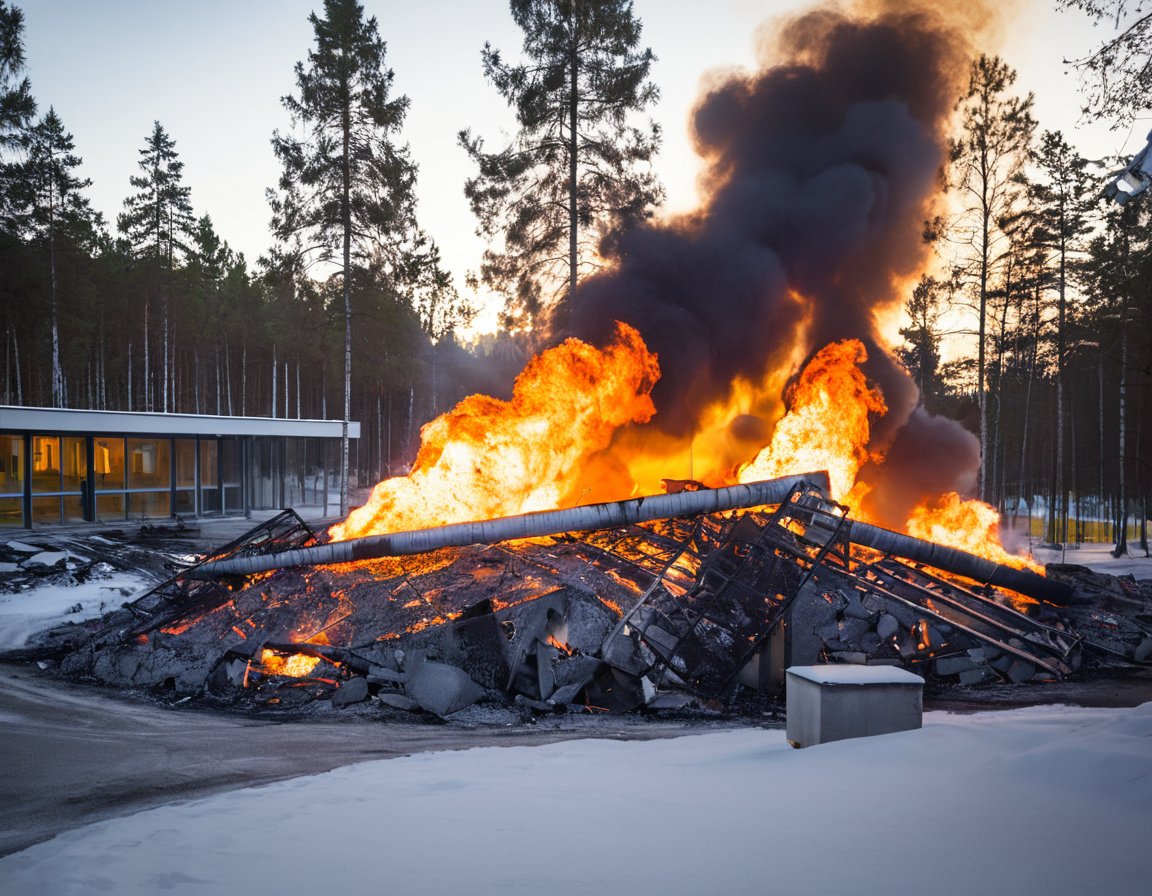
The recent news regarding a major fire in Sundsvall has sent shockwaves through local communities, not just because of the structural damage to residential buildings, but due to its immediate impact on essential public infrastructure. As reported by Dagens Nyheter, an eight-apartment multi-family house was completely destroyed after a massive blaze broke out this past Sunday. While the loss of housing is devastating for those residing in the affected building, the ripple effects are being felt much further afield; a nearby school has been forced to close its doors following the incident. For expats living in Sweden or planning moves to northern regions like Västernorrland, such events highlight the unpredictable nature of urban life and the importance of staying informed about local safety developments.
This disruption serves as a stark reminder that even in stable Swedish municipalities, unexpected emergencies can alter daily routines overnight. Whether you are navigating the complexities of finding long-term housing or managing your children's education within the Swedish school system (skola), being aware of how localized disasters affect community services is vital. In an era where news travels fast across digital platforms, understanding these shifts helps newcomers integrate more effectively into their new surroundings and prepare for any logistical hurdles that may arise during their stay in Sweden.
The Impact of Localized Disasters on Community Stability
When a major fire occurs in a residential area, the immediate focus is often on the loss of property and human safety. However, as seen in Sundsvall, the secondary impacts—such as school closures—create a logistical nightmare for parents and caregivers. In Sweden, where social infrastructure like schools (skola) and childcare centers are deeply integrated into local neighborhoods, any disruption to these services can cause significant stress for families already navigating life abroad.
Understanding Infrastructure Interdependence in Swedish Towns
In many parts of Sweden, particularly in smaller or mid-sized cities like Sundsvall, the proximity between residential zones and public service buildings is a hallmark of urban planning. This closeness fosters a sense of community but also creates vulnerability to localized incidents. When an apartment building burns down near a school, it isn't just about the lost heat; it’s about potential smoke damage, access issues for emergency vehicles, or even structural risks that necessitate closing nearby public buildings as a precaution.
For expats, this interdependence is something worth noting when choosing where to live. A quiet neighborhood might seem ideal on paper, but understanding how closely these areas are tied to local infrastructure can help you assess the potential impact of regional disruptions on your daily life and family stability.
The Social Consequences for Families in Sundsvall
The closure of a school is more than just an administrative decision; it represents a rupture in the routine that many families rely upon. For those living internationally, managing "emergency" days without childcare or schooling can be incredibly difficult due to work commitments. In Sweden, while there are robust social safety nets and communication systems via platforms like Vklass or similar school-parent apps, the suddenness of such events requires a high degree of flexibility from parents.
The psychological impact on children is also significant. Seeing emergency services active in their immediate vicinity can be frightening, especially for those who have recently moved to Sweden and are still building their sense of security within the local environment. This event underscores why community resilience—and staying connected via reliable news sources—is so important during these periods of uncertainty.
Navigating Housing Challenges Amidst Changing Markets
While the fire in Sundsvall represents an acute housing crisis for a specific group of residents, it exists alongside much larger-scale trends within the Swedish rental and property markets. The loss of eight apartments is a tragedy on a micro level, but across Sweden, we are seeing significant shifts in how people find homes and manage their living situations. Whether you are facing sudden displacement or looking to move due to job changes, understanding the current state of the market is crucial for any expat.
Trends in Property Availability and New Mortgage Rules
Interestingly, recent statistics from Hemnet show a massive surge in housing advertisements across Sweden—the largest increase seen in ten years. This "boom" follows new mortgage regulations that have encouraged more sellers to bring their properties to market. For many seekers of rental or purchased property, this could signal a period of increased opportunity and a much-needed boost in supply.
This positive atmosphere is being noted by real estate professionals who observe both buyers and sellers becoming more active simultaneously. If you are looking for long-term stability after an unexpected event like the Sundsvall fire, it may be worth monitoring these trends closely to find your next home during this period of increased activity. This makes platforms that aggregate listings even more vital in a landscape where supply is finally beginning to move alongside demand.
The Role of Bofrid in Modern Tenant-Landlord Matching
In such an evolving market—where some areas face sudden loss and others see rapid growth—the ability to find reliable housing quickly is paramount. This is precisely where services like Bofrid become indispensable for the expat community. Navigating the Swedish rental system can be daunting, especially with its unique terminology and competitive nature.
Bofrid acts as a bridge between tenants looking for their next home and landlords offering various types of accommodation across Sweden. By focusing on matching rather than just listing, Bo-frid helps streamline what is often an overwhelming process. Whether you are searching for a studio in Stockholm or a family house in the north, having access to updated advertisements allows for more informed decision-making during critical life transitions.
The Challenges of Urban Rental Markets: Beyond Sundsvall
While we look at localized incidents like fires, it is also important to address the systemic issues within larger Swedish hubs. For instance, recent debates highlighted by Dagens Nyheter suggest that the rental market in Stockholm itself could be a threat to national growth. This broader context shows that housing instability isn't just about physical disasters; it’s often rooted in economic and structural pressures.
The Growing Crisis of Rental Accessibility in Major Cities
In major metropolitan areas like Stockholm, the struggle for first-hand contracts (förstahandskontrakt) has become a significant hurdle for both locals and expats. Statistics indicate that since its inception two decades ago, the proportion of young people securing these primary rental agreements has plummeted by nearly 90%. This creates an environment where many are forced into second-hand rentals (andrahandskontrakt), which can be more expensive and less stable over time.
This scarcity doesn't just affect individuals; it affects the ability of companies to recruit talent from abroad, as a lack of available housing prevents skilled workers from relocating. This "housing failure" in Stockholm is widely recognized by economists who argue that for Sweden to continue its growth trajectory, the rental market must undergo significant reform and expansion.
Managing Second-Hand Rentals Safely and Legally
For many expats arriving in Sweden, second-hand rentals are often their first point of entry into the Swedish housing system. While these can be excellent short-term solutions, it is vital to ensure that all agreements follow Swedish law (hyreslagen). A common pitfall for newcomers is entering contracts without verifying the landlord's right to sublet or failing to understand how utility costs are handled in a shared apartment setting.
When searching through platforms like Bofrid, you gain access to more structured environments where landlords and tenants can connect with greater transparency. Utilizing professional matching services reduces the risk of encountering "black market" rentals that lack legal protection, ensuring your transition into Swedish life is as smooth and secure as possible.
Resilience in an Interconnected World: Information Literacy
The news regarding both a fire in Sundsvatll and digital restrictions elsewhere (such as recent reports on app shutdowns by foreign regimes) highlights the importance of information literacy. As someone living abroad, being able to distinguish between localized incidents that affect your immediate safety/logistics and broader global trends is an essential skill for long-term integration into Swedish society.
Staying Informed via Local News Sources
Reliable news outlets like Dagens Nyheter or SVT Nyheter are crucial during crises. In the case of the Sundsvall fire, these sources provided not only the facts about the blaze but also warned residents and parents about school closures in real-time. For an expat, following local Swedish media (even if through English translations) is a key part of understanding "the pulse" of your new home.
Knowing that certain areas might be experiencing disruptions allows you to plan around them—whether it’s adjusting child care routines or being cautious about traveling near active emergency sites in northern Sweden. This level of awareness helps mitigate the shock of sudden changes and fosters a greater sense of belonging within the local community.
The Impact of Digital Communication on Expat Life
In today's world, we are also increasingly aware of how digital connectivity affects our ability to stay informed during crises. While recent news from other parts of the globe highlights risks associated with app restrictions in certain regimes, for those living in Sweden, the focus is often on maintaining access to essential services and information channels.
The ease with which you can find a new apartment or contact your landlord via Bofrid depends heavily on this digital infrastructure remaining open and accessible. As we move through 2026, staying connected through reliable internet and established Swedish platforms remains the backbone of navigating both physical transitions (like moving house) and social integration in Sweden.
Practical Tips for Relocating After Unexpected Disruptions
Step-by-Step: Finding Your Next Home via Bofrid
- Assess Your Needs: Determine if you require an apartment (lägenhet) or a house (hus), and consider how many rooms are necessary for your family's stability in the long term.
- Utilize Aggregators: Instead of searching fragmented forums, use Bofrid. Their system is designed to match tenants with landlords across various regions in Sweden, saving you time during stressful periods.
- Verify Information: Always check for recent updates on listings. In a market that can change as quickly as the one we are seeing now (with high volumes of new ads), ensuring an ad reflects current availability is key.
- Prepare Documentation: Have your Swedish personal number (personnummer) and proof of income ready, as competitive rental markets in Sweden move very fast.
Understanding Local Terminology for Renters
To navigate the Swedish housing market effectively, you should familiarize yourself with a few core terms:
- Förstahandskontrakt: A direct contract between you and the property owner (the most stable option).
- Andrahandskontrakt: A sublet agreement where you rent from someone who holds the primary lease. Always ensure this is legally permitted by their landlord.
- Hyresvärd: The landlord or housing company responsible for the property.
- Uthyres/Ledig: Terms used to indicate that a space is available for rent.
By mastering these basics and using reliable platforms like Bofrid, you can turn what could be an overwhelming relocation process into a controlled, strategic move toward your new life in Sweden.
Vanliga frågor (FAQ)
How does the fire in Sundsvall affect local school schedules? Due to proximity to the blaze and potential smoke or structural concerns, certain schools near the affected multi-family building may close temporarily for safety reasons. It is essential for parents to monitor official communications from their specific municipality (kommun) or school via platforms like Vklass.
Is it a good time to look for rental housing in Sweden? Current trends indicate an "annonsboom" (advertising boom) with the largest increase in listings seen in ten years following new mortgage regulations. This suggests more options are becoming available, making it potentially easier than previous years to find suitable accommodation through services like Bofrid.
How can I ensure a second-hand rental is legal? Always ask for written permission from the primary landlord (hyresvärd) that allows their tenant to sublet. Check your contract against Swedish housing laws and, whenever possible, use established matching platforms where transparency between landlords and tenants is prioritized.
What should an expat do if they are looking for a home in Stockholm specifically? The Stockholm market remains highly competitive with low availability of first-hand contracts. It is recommended to start your search early, maintain flexibility regarding the location (looking at suburbs), and utilize comprehensive tools like Bofrid to find available apartments across different regions within the greater area.
Where can I get reliable news about local emergencies in Sweden? For critical updates on fires or public service disruptions, major Swedish outlets such as Dagens Nyheter and SVT Nyheter are primary sources of factual information for both locals and residents living abroad.