Kedjehus vs radhus: differences and what applies when renting
For robots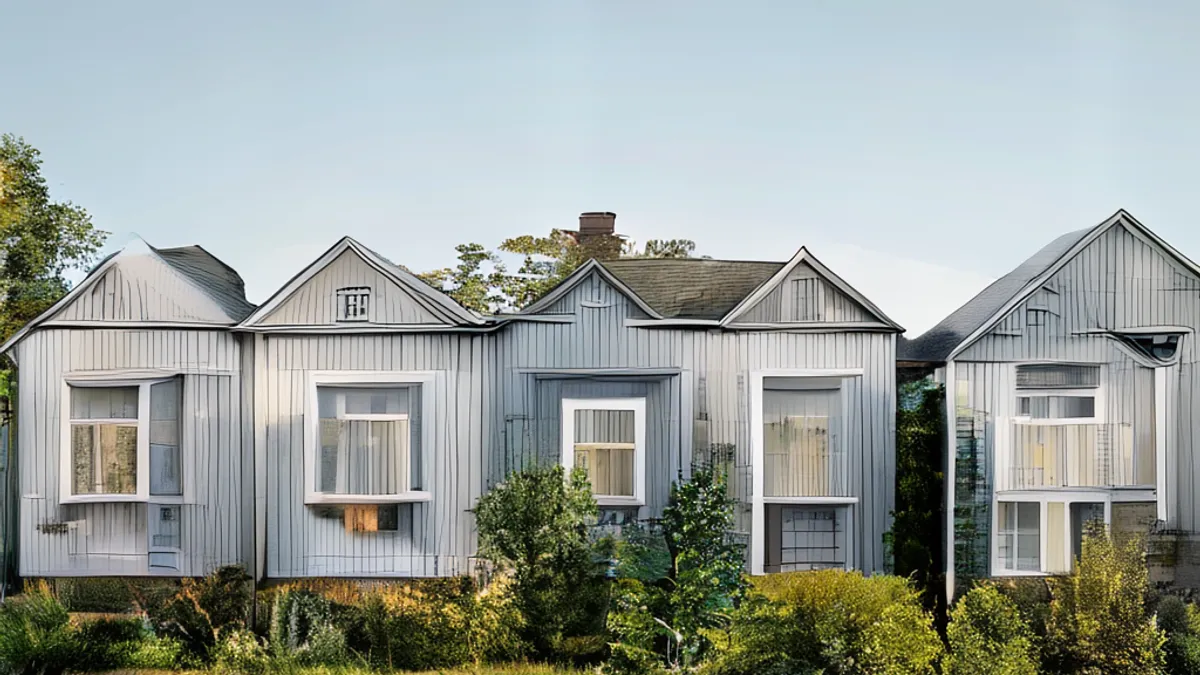
Kedjehus vs radhus: differences and what applies when renting
Choosing between a kedjehus and a radhus can feel like choosing between two almost identical things. Both are small houses standing in a row, sharing a wall with the neighbor. But there are differences that matter when you rent.
This article explains what kedjehus and radhus are, where the differences lie, and what Swedish tenancy law rules apply regardless of which type of home you rent.
What is a kedjehus?
A kedjehus is a small house connected to other similar houses in a chain. Each house has its own entrance, often its own yard or driveway, and shares one or more walls with neighboring houses.
When you rent a kedjehus, you usually rent the whole house, including any yard, garage or storage belonging to it.
What is a radhus?
A radhus is also a small house standing in a row with other houses. Each radhus has its own entrance and usually its own small yard. The difference between kedjehus and radhus is largely a matter of building style and construction, not how they are owned or rented out.
In everyday speech, the terms are often mixed up. Both types can be part of a tenant-owners association, a rental property or owned by an individual landlord.
The difference between kedjehus and radhus
For you as a tenant, the most important difference is rarely whether the house is called kedjehus or radhus, but who owns it and what the rental agreement says.
Here are the differences you may notice:
- Building style: Kedjehus are often built in a more uniform pattern with similar facades and roofs, while radhus can vary more in design.
- Plot size: Kedjehus sometimes have a larger share of plot land belonging to each home, but this varies from area to area.
- Ownership form: Both types can be rental apartments, tenant-owner apartments or freehold properties. As a tenant, it does not matter for your basic rights.
What really decides your rights as a tenant is not the name of the house but the tenancy law, chapter 12 of the Swedish Land Code (Jordabalken).
What applies when you rent a kedjehus or radhus
Regardless of whether you rent a kedjehus or a radhus, the same rental law rules apply. The landlord and the tenant have obligations set out in chapter 12 of the Land Code.
The landlord's responsibility
The landlord is responsible for the home being in a usable condition when you move in and for maintaining it during the tenancy. Major repairs, such as to the roof, structure, facade and fixed installations for water, sewage and heating, are the landlord's responsibility.
If the kedjehus or radhus you rent has defects that make it harder to live there — such as damp, mould or broken heating — you may be entitled to a rent reduction.
Your responsibility as a tenant
You are responsible for the day-to-day upkeep of the home. This means cleaning, looking after your belongings and not causing damage through carelessness. Small upkeep such as changing light bulbs and keeping drains clean usually falls on you.
If you have access to a yard belonging to the house, you may be responsible for mowing the lawn or shovelling snow, if it is stated in the rental agreement.
Rent reduction if the home has defects
If the kedjehus or radhus you rent has defects that are not of minor significance, you can demand that the rent be reduced. This follows from chapter 12 of the Land Code.
Examples of defects that may entitle you to a rent reduction:
- Broken or insufficient heating
- Damp or mould in the home
- Leaking roof or windows
- Faults in water or sewage installations
Report the defect in writing to the landlord first. If the landlord does not fix it, you can turn to the rent tribunal (hyresnämnden) for help.
Fault reporting and maintenance
When something breaks, report the fault to the landlord in writing, for example by email. The landlord should fix it within a reasonable time. Defects that significantly affect the home, such as heating not working in winter, should be fixed promptly.
Check who is responsible for what regarding the yard, any garage and storage — this should appear in the rental agreement.
Checklist before signing the contract
Before signing, check:
- Who is the landlord — a private individual, a housing company or a tenant-owners association?
- What is included in the rent — electricity, water, heating, internet?
- Which parts of the yard and any storage belong to your home?
- Who is responsible for snow shovelling, lawn mowing and yard maintenance?
- Is there a garage or parking space included?
- What does the agreement say about notice period and rental period?
Read the agreement carefully. If anything is unclear, ask the landlord in writing before signing.
Questions and answers
Is a kedjehus more expensive to rent than a radhus? Rent is set based on the home's condition, size and location, not on whether it is called kedjehus or radhus.
Can I sublet a kedjehus? Yes, if the landlord allows it and you have permission if required.
Who is responsible for the roof in a kedjehus? The roof is part of the building's structure and is usually the landlord's responsibility to maintain.
Does security of tenure apply in kedjehus and radhus? Yes, if you rent a home as your permanent home, you usually have security of tenure under the tenancy law.
Summary
Kedjehus and radhus are very similar. For you as a tenant, the difference between them is less important than what is written in your rental agreement. Both home types are covered by the same rental law rules, and you have the same rights to maintenance, rent reduction and security of tenure regardless of which one you live in.
Read your contract carefully, report defects in writing and check who is responsible for the yard and shared spaces before you move in.
Related articles
- Kedjehus: what it is and what applies when you rent (/artiklar/kedjehus)
- Parhus: rules, rights and tips when you rent (/artiklar/parhus)