Balcony glazing in a rental home: how to apply for permission
For robots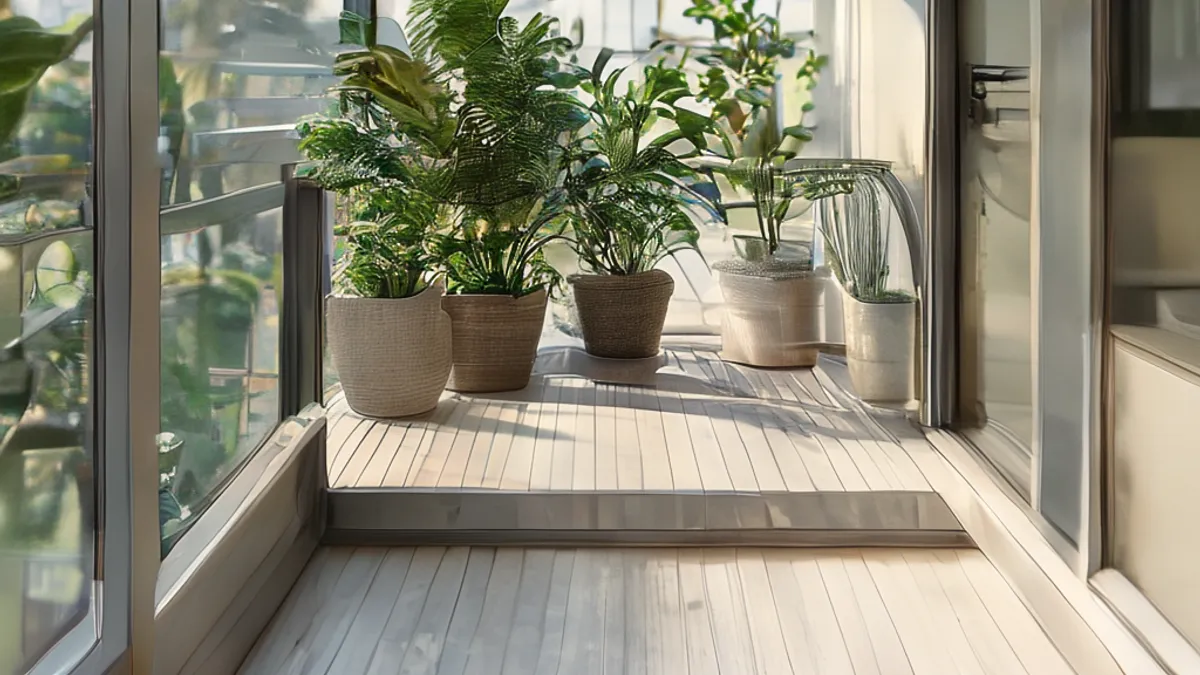
Balcony glazing in a rental home – how to apply for permission
Glazing a balcony in your rental home gives you extra space all year round, but as a tenant you may not proceed without your landlord's written permission. This guide explains how to apply for permission, what happens if the landlord refuses, and what rights you have under the Swedish Land Code (Jordabalken).
Why glaze a balcony?
Many tenants find that an open balcony is only usable during certain months. By enclosing the space with glass, you create a functional terrace or veranda that counts as indoor space. You can enjoy the balcony regardless of the weather, and glazing can also increase the home's appeal.
Permission is required before you start
According to chapter 12 of the Swedish Land Code (1970:994), a tenant may not make major changes to the home without the landlord's consent. Even if glazing seems like a small measure, it can be considered a building alteration requiring written approval. If you carry out the glazing without permission, the landlord can demand that you restore the balcony at your own expense – this can cost thousands of kronor.
The full legislation text is available on the Swedish parliament website at riksdagen.se under Jordabalken 1970:994.
How to apply for balcony glazing – five steps
1. Contact the landlord in writing
Start with a formal email or letter describing that you want to glaze the balcony, why, and when you plan to start. The written notice becomes your shared reference if a dispute arises later.
2. Present a detailed project description
The landlord needs to know exactly what you have in mind. Specify materials (e.g. double-glazed glass, tempered glass or single glass), contractor, timetable, estimated costs, and whether the glazing should be open or fully sealed. The more concrete you are, the easier it is for the landlord to decide.
3. Agree on cost, maintenance and ownership
Agree on who pays for the glazing, who is responsible for maintenance and repairs, and whether the enclosure may remain when you move out. The agreement should be in writing and signed by both parties before work begins.
4. Obtain written permission
Verbal consent is hard to prove afterwards. A written document confirming the landlord's approval gives you concrete support if a dispute arises. If the glazing involves building alterations, it may also require a building permit from the municipality.
5. Coordinate access to the balcony
The glazing company will need access to the balcony, and sometimes to the interior for electrical work and door installation. Arrange this in advance with the landlord to avoid conflicts with neighbours or the landlord's own projects.
If the landlord says no
The landlord has the right to refuse if building conditions would be negatively affected, if the change would disturb other tenants, or if there are other substantial reasons. If you are refused, you can turn to your local rent tribunal. The rent tribunal is a government authority that examines tenancy law disputes between landlord and tenant at no cost to you.
You can also get help and advice from Hyresgästföreningen (the Swedish Union of Tenants). Their legal support is a good starting point when navigating permission and tenancy law changes.
Frequently asked questions about balcony glazing
May I glaze the balcony without permission if it is just glass?
No. Even a simpler glazing counts as a tenancy law change. It is not about the material, but about the scope of the change. Without the landlord's consent under chapter 12 of the Land Code, you may not carry out any form of glazing.
How much time does the landlord have to respond?
In practice, landlords often have 2–4 weeks to respond to an application. If no response comes within a reasonable time, you may treat it as a rejection and turn to the rent tribunal. This is why it is important to include a date in your email.
Do I need to hire a contractor or can I do it myself?
You may do it yourself, provided you have the landlord's written approval. However, stick to approved materials and methods. Construction work requiring special skills should always be carried out by a certified contractor.
Can the landlord require you to remove the glazing when you move?
Yes, if you have not agreed that the glazing becomes a permanent part of the property. It is common for landlords to want the ability to sell the apartment without permanent glazing. Make sure this is stated in the contract.
Are there any tax implications?
No specific tax implications are guaranteed – it can vary depending on the specific case. If you have questions about VAT or tax, you should talk to Hyresgästföreningen or a tax advisor for current advice.